







AI market analysis for crypto traders is changing the way people understand the market, and it’s happening faster than most traders realize.
A few years ago, market analysis meant staring at TradingView charts, reading endless X threads, and hoping you didn’t miss an important headline before placing a trade.
Today?
AI can do most of that heavy lifting in seconds.
It can scan thousands of data points, summarize breaking news, track on-chain activity, measure market sentiment, and even highlight unusual trading behavior before you’ve finished your morning coffee.
Sounds like a cheat code.
It isn’t.
The best traders aren’t replacing their analysis with AI, they’re making their analysis better.
Let’s look at how it actually works.
Why Traditional Market Analysis Isn’t Enough Anymore
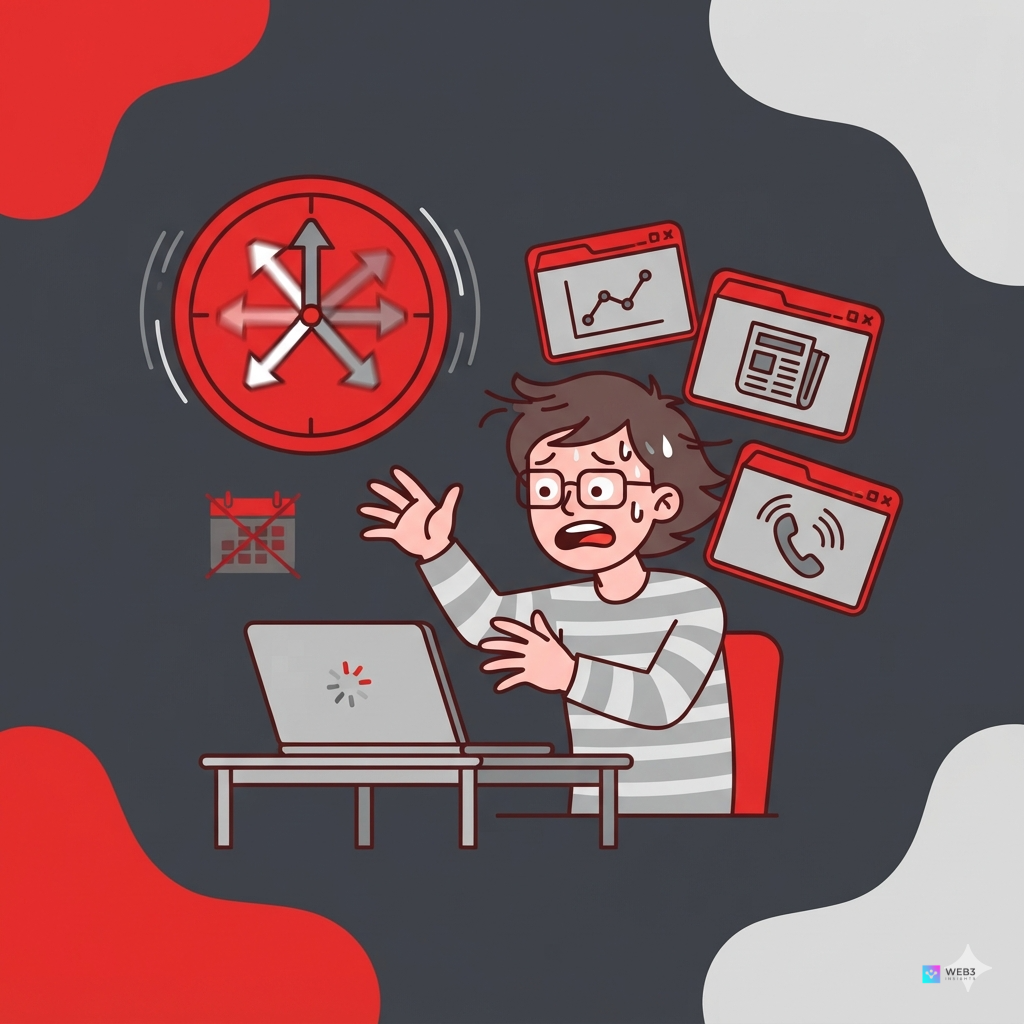
Crypto moves fast.
Really fast.
By the time you’ve checked Bitcoin’s chart, Ethereum’s funding rates, the latest Fed headlines, and what’s trending on X…
…the market may already have changed.
That’s the biggest challenge modern traders face.
It’s no longer about finding information.
It’s about filtering it.
That’s exactly where AI shines.
Instead of asking you to open ten different tabs, AI helps bring multiple data sources together and highlights what actually deserves your attention. Many experienced traders now combine charting, on-chain analytics, derivatives data, and sentiment tools instead of relying on a single dashboard.
What Does AI Actually Analyze?

One of the biggest misconceptions is that AI only looks at price charts.
Not even close.
A good AI analysis tool combines several layers of market information.
1. Price Action
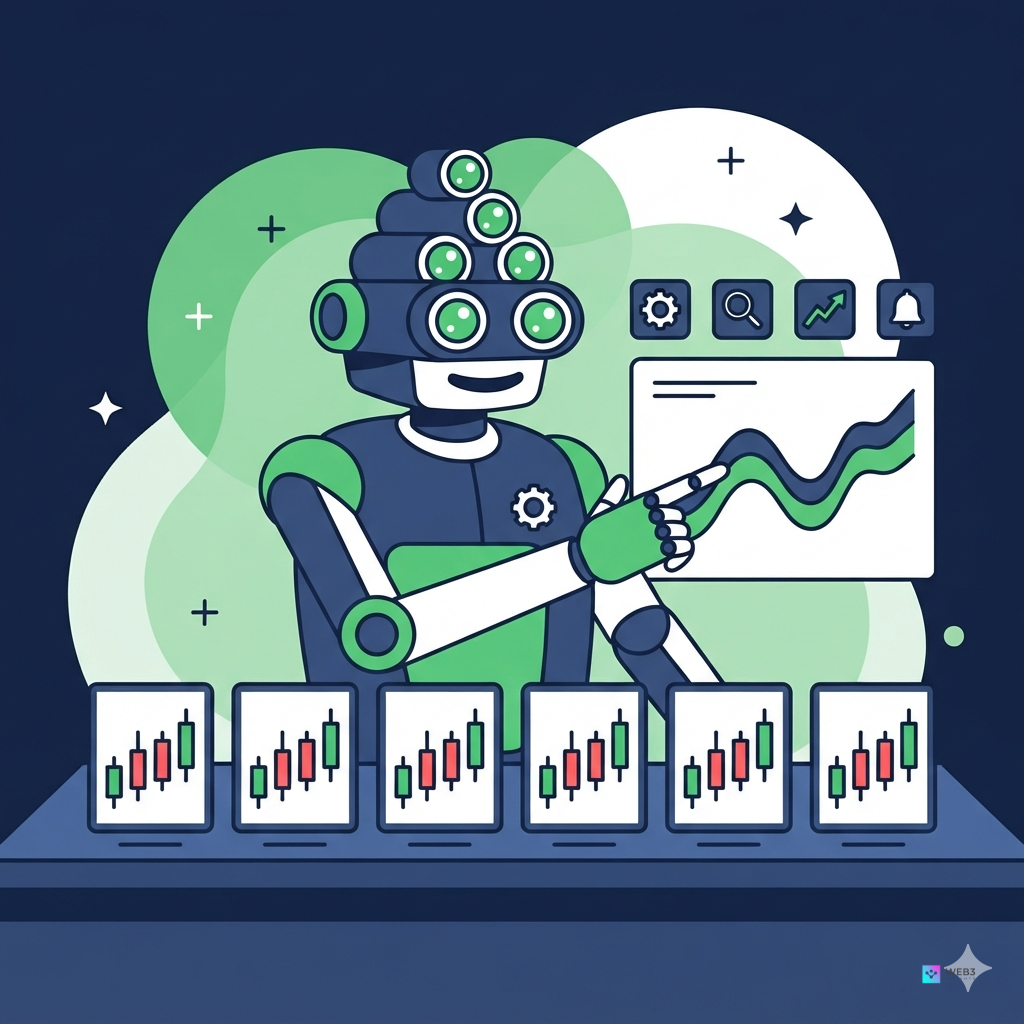
This is where AI studies historical price movements, trend strength, volatility, and common technical indicators like RSI, MACD, and moving averages.
Instead of manually checking dozens of charts, AI can scan multiple cryptocurrencies simultaneously.
2. Market Sentiment

Crypto is driven by narratives.
A positive ETF headline.
A major exchange announcement.
A viral post on X.
These events can move billions of dollars in market value within hours.
AI can analyze thousands of news articles, social posts, and discussions to identify whether overall market sentiment is becoming more bullish or bearish. Narrative and sentiment analysis have become an increasingly important part of many traders’ workflows.
3. On-Chain Activity

This is where crypto has an advantage over traditional markets.
Blockchains are transparent.
That means traders can monitor things like:
- Exchange inflows and outflows
- Whale wallet activity
- Network usage
- Large transactions
- Holder behavior
AI helps process this massive amount of blockchain data much faster than a human could. Tools like Glassnode, CryptoQuant, Nansen, and Arkham are commonly used to analyze these signals.
4. Derivatives Data
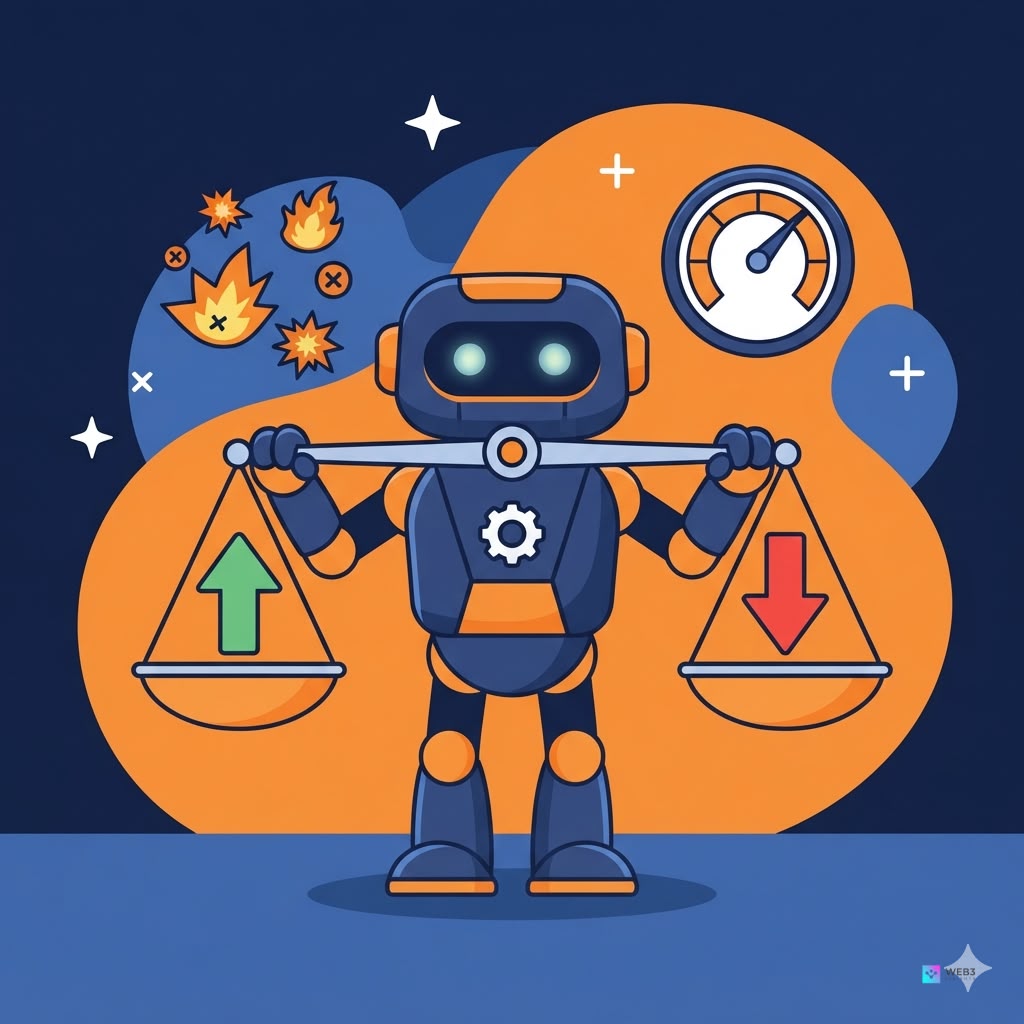
Professional traders don’t just watch price.
They also monitor:
- Open interest
- Funding rates
- Liquidations
- Long vs short positioning
AI can combine these metrics with technical and on-chain data to provide broader market context rather than relying on a single indicator.
Why AI Doesn’t Replace Technical Analysis

Here’s where a lot of beginners get it wrong.
They think AI makes technical analysis obsolete.
It doesn’t.
Imagine trying to solve a puzzle.
Technical analysis gives you the pieces.
AI helps you organize them faster.
You’re still the one deciding what the final picture looks like.
The strongest trading decisions usually come from combining:
- Technical analysis
- Market sentiment
- On-chain data
- Macroeconomic news
- Risk management
AI simply helps connect those dots more efficiently.
How Traders Can Actually Use AI

This is where AI becomes practical.
Instead of asking AI,
“What coin should I buy?”
Try using it like an analyst on your team.
For example:
- Summarize today’s biggest crypto news.
- Explain why Bitcoin moved overnight.
- Compare Ethereum and Solana based on recent market activity.
- Identify sectors attracting the most attention.
- Highlight unusual whale transactions worth investigating.
Notice the pattern?
You’re asking AI to help you understand the market, not make decisions for you.
That’s a much smarter way to use it.
Common Mistakes Traders Make

The biggest mistake?
Thinking AI is always right.
It isn’t.
AI can misunderstand context.
It can work with incomplete data.
And it can’t predict unexpected events like regulatory announcements or exchange hacks.
Another common mistake is using only one source of information.
The best traders build what many researchers call a “research stack”; combining charting, on-chain analytics, derivatives data, and sentiment instead of depending on a single platform.
How to Build a Smarter AI Workflow

You don’t need ten different subscriptions.
A simple workflow is often enough.
Start with:
TradingView for chart analysis.
Use CoinGlass to monitor derivatives and liquidations.
Check Glassnode or CryptoQuant for on-chain activity.
Then use an AI assistant to summarize news, compare narratives, and organize your research.
Each tool gives you a different piece of the puzzle.
Together, they provide a much clearer picture of the market.
Trader’s Take
The biggest advantage AI gives traders isn’t prediction.
It’s perspective.
Markets generate more information than any single person can process.
AI helps cut through that noise, surface the signals that matter, and free you to focus on what humans still do best: applying judgment.
If there’s one lesson to take away from this article, it’s this:
Don’t ask AI to replace your thinking. Ask it to improve it.
That’s where the real edge lies.