








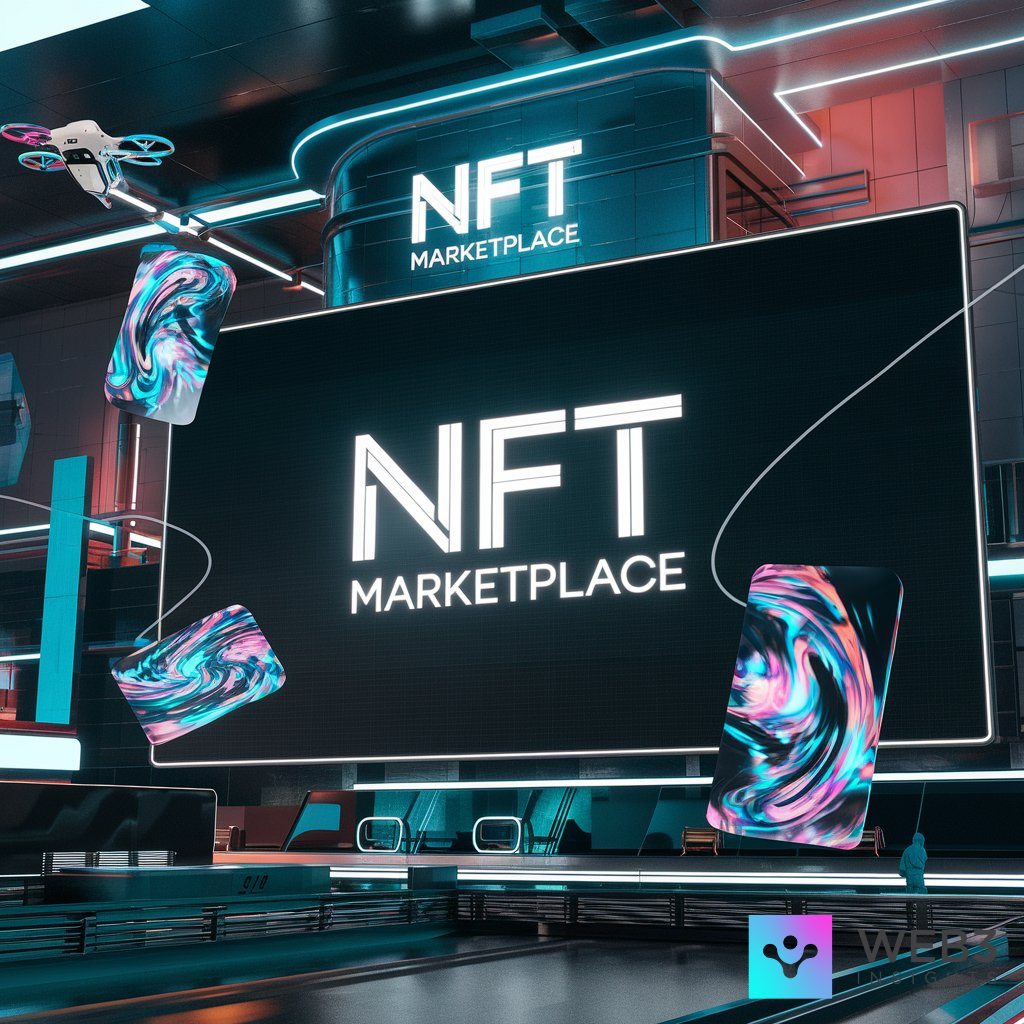
Non-fungible tokens (NFTs) have taken the digital world by storm, offering a revolutionary way to own and trade unique digital assets. If you’re looking to buy or sell NFTs, it’s essential to know where to go. NFT marketplaces specialize in allowing users to mint, buy, and sell NFTs in a secure, decentralized environment. With so many marketplaces available today, choosing the right one can be overwhelming, especially if you’re new to the NFT space.
In this article, we’ll explore the top 10 NFT marketplaces that cater to different needs. From platforms specializing in high-end digital art to those offering user-friendly interfaces for casual traders, these marketplaces will help you make informed decisions when you decide to buy or sell NFTs.
1. OpenSea
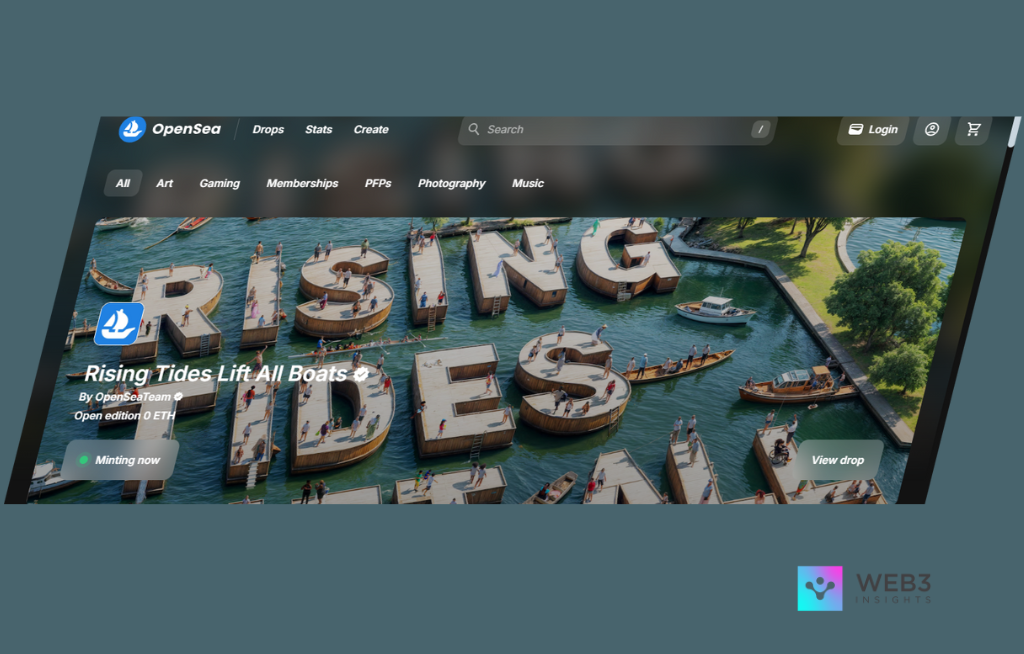
OpenSea, launched in 2017, is the largest NFT marketplace, offering a wide range of digital assets like art, music, and virtual worlds. It’s free to sign up and browse, with support for over 150 payment tokens, including Ethereum, Solana, and USDC.
The platform is user-friendly, allowing easy NFT creation (“minting”), and offers gas-free minting via Polygon to avoid Ethereum’s high fees. OpenSea charges a 2.5% transaction fee and is open to all creators, but artists may need to manage their marketing. It’s an ideal platform for beginners looking to buy, sell, or mint NFTs.
2. Blur
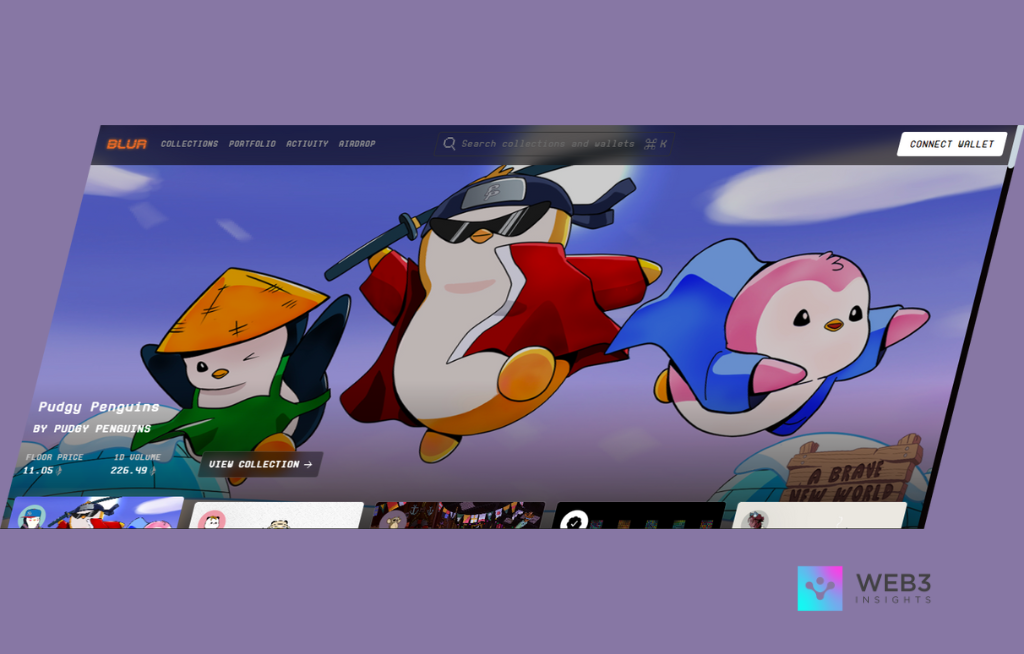
Blur has firmly established itself as the top NFT marketplace for active and professional traders in 2026. Designed for speed and efficiency, Blur offers advanced tools such as real-time analytics, bulk listing, portfolio management, and competitive fee structures, often ranging between 0.5% and 1%.
Operating primarily on Ethereum and Blast, Blur consistently ranks among the highest platforms by monthly Ethereum trading volume. Its focus on liquidity and trader-first features makes it the preferred choice for serious collectors and high-frequency NFT traders.
3. Magic Eden
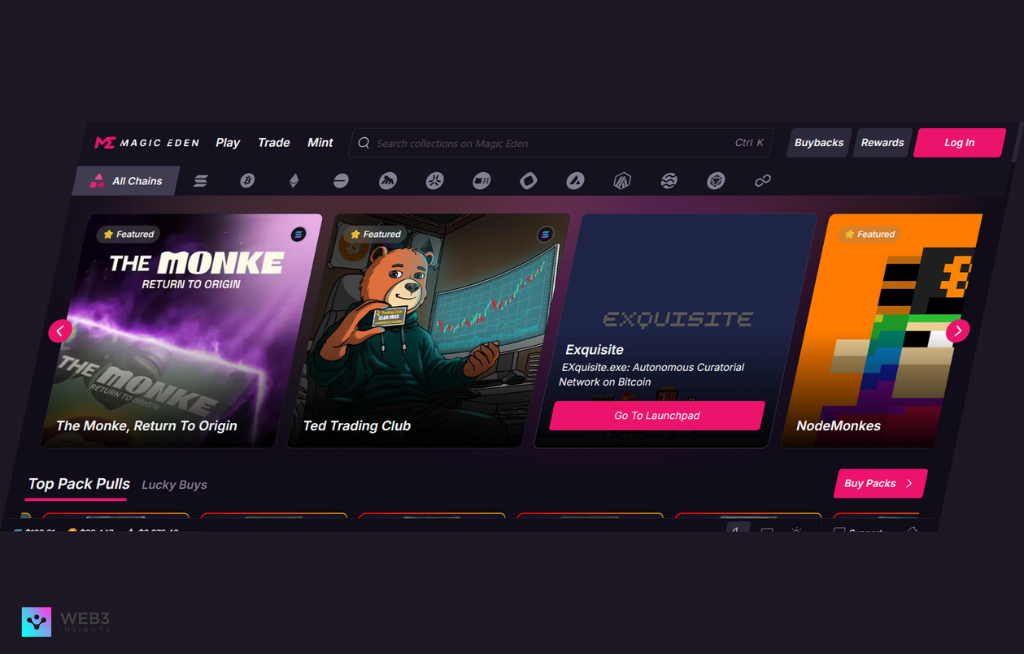
Magic Eden is a leading multi-chain NFT marketplace with strong roots in the Solana ecosystem. In 2026, it supports Solana, Bitcoin Ordinals, Ethereum, and Polygon, making it one of the most flexible platforms for non-Ethereum NFTs.
The marketplace is particularly popular for gaming NFTs, community-driven collections, and creator launches. With low fees, strong community engagement, and high trading volume on non-Ethereum chains, Magic Eden continues to be a major force in the NFT space.
4. Courtyard
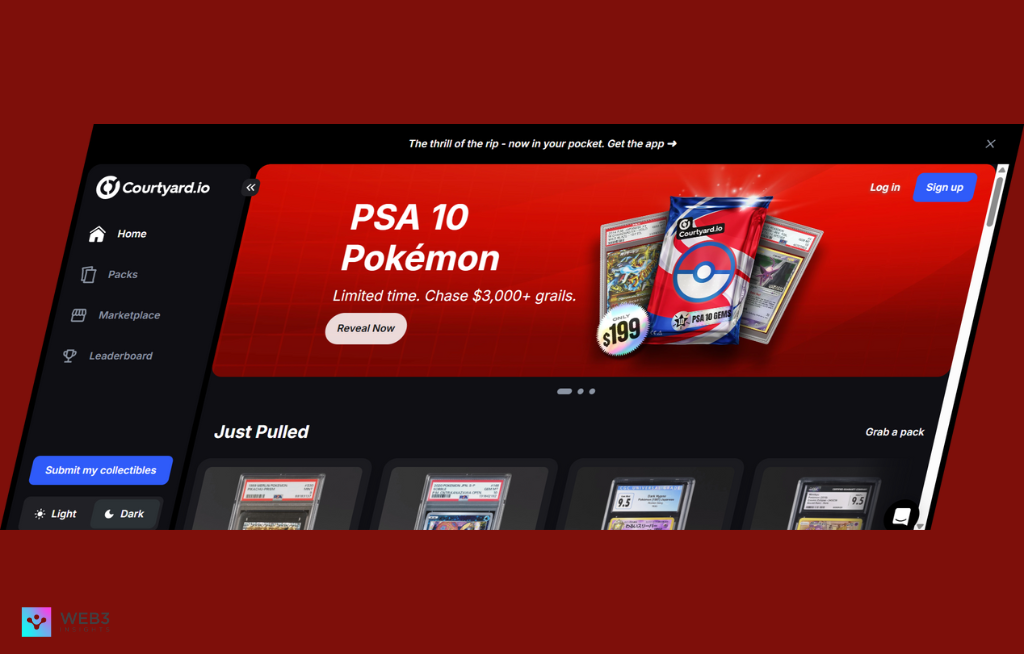
Courtyard has emerged as one of the fastest-rising NFT marketplaces in recent rankings. It focuses on tokenized physical collectibles, such as sports cards and real-world memorabilia, bridging the gap between traditional collectibles and blockchain ownership.
Operating on Ethereum and Polygon, Courtyard has ranked highly in NFT volume metrics and analytics platforms. Its focus on real-world-backed NFTs positions it as a standout platform in 2026 as NFTs expand beyond purely digital assets.\
5. CryptoPunks (via associated platforms)
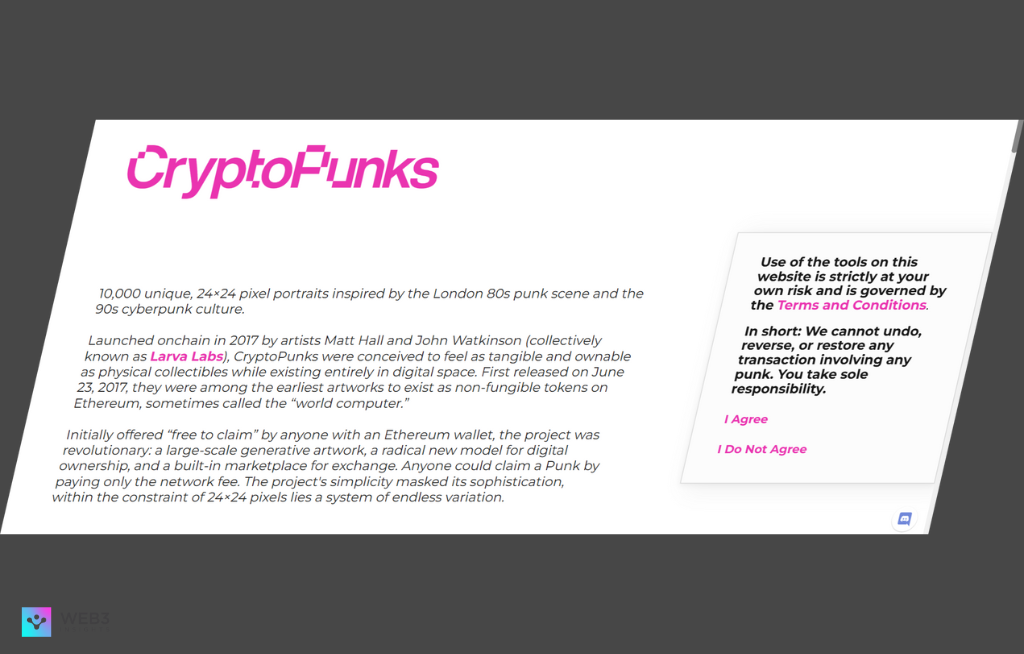
CryptoPunks remain one of the most iconic and valuable NFT collections in the market. While not a standalone marketplace, CryptoPunks frequently rank high in overall NFT trading volume due to their premium status and historical significance.
Most CryptoPunks trading occurs on major Ethereum-based marketplaces and specialized platforms. Their continued dominance in volume rankings reflects strong demand from collectors and their role as a foundational NFT collection.
6. Rarible
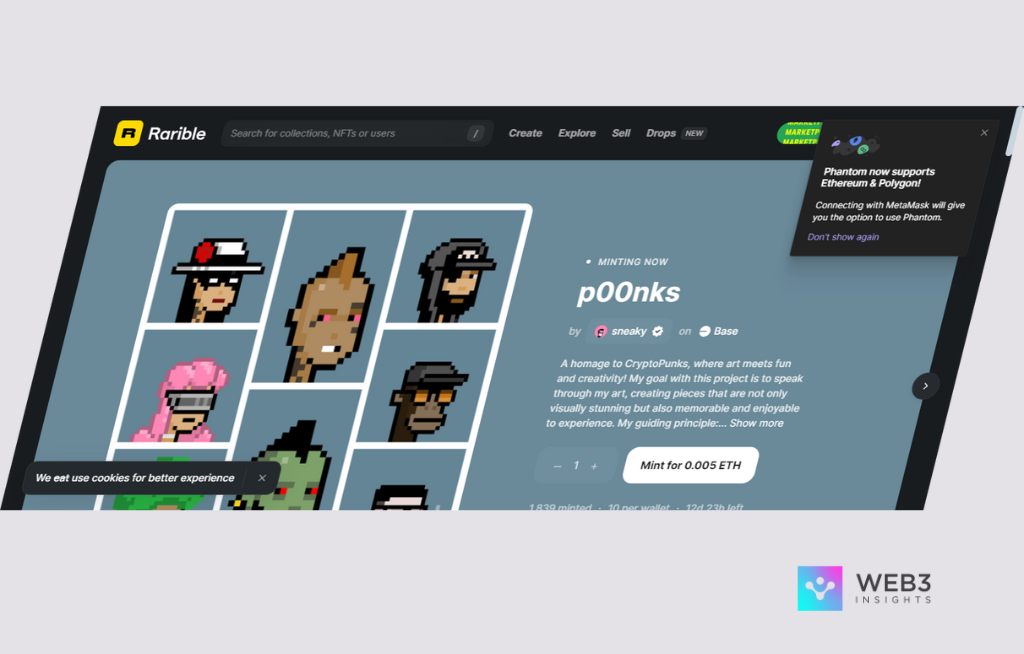
Rarible is a marketplace where users can buy or sell NFTs, including collectibles, art, and more, using Tezos, Flow, or Ethereum. It charges a 2.5% fee plus gas fees but stands out by allowing transactions with credit cards and fiat currencies.
Rarible’s $RARI token gives holders the ability to vote on platform decisions. A 2021 partnership with Adobe helps protect and verify NFT metadata. Although Rarible’s interface can confuse users, it stands out as a top marketplace for its innovation, decentralization, and strong network connections. Creators must verify their accounts to participate fully.
7. Tensor
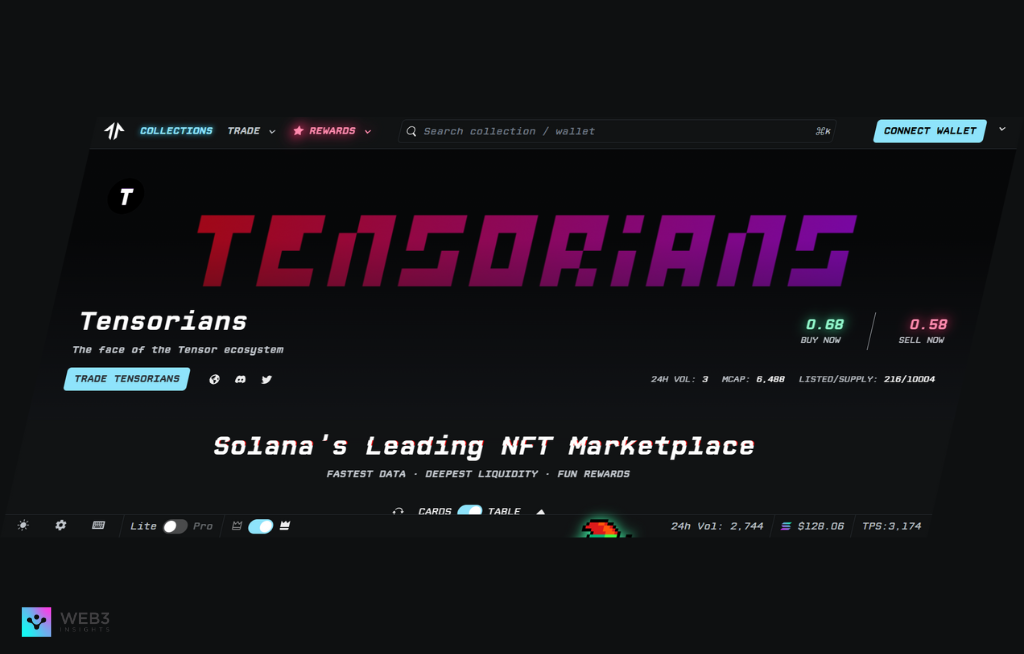
Tensor has become a major player in the Solana NFT ecosystem, especially among professional traders. It offers advanced trading tools, an AMM-style experience, and fast execution tailored to high-volume activity.
By capturing a significant share of Solana-based NFT volume, Tensor stands out as a strong alternative to broader marketplaces. Its trader-focused design makes it a go-to platform for users who prioritize efficiency and analytics on Solana.
8. Foundation
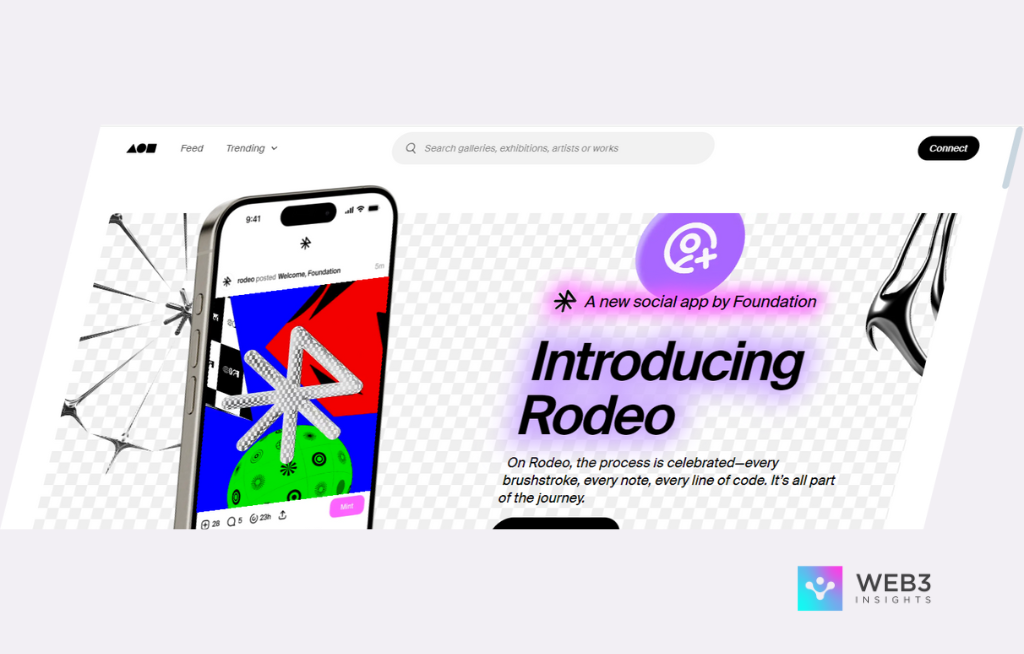
Foundation offers a simple, no-frills way to bid on digital art, with sales conducted using Ethereum.. Since the marketplace’s launch in early 2021, it has sold more than $100 million of NFTs.
The Foundation community invites artists to the platform, and buyers only need a crypto wallet with Ethereum to start making purchases. If you want a quick and easy way to start creating your NFTs, Foundation might not be the best place to start, but you can easily browse plenty of artwork on the marketplace.
9. SuperRare
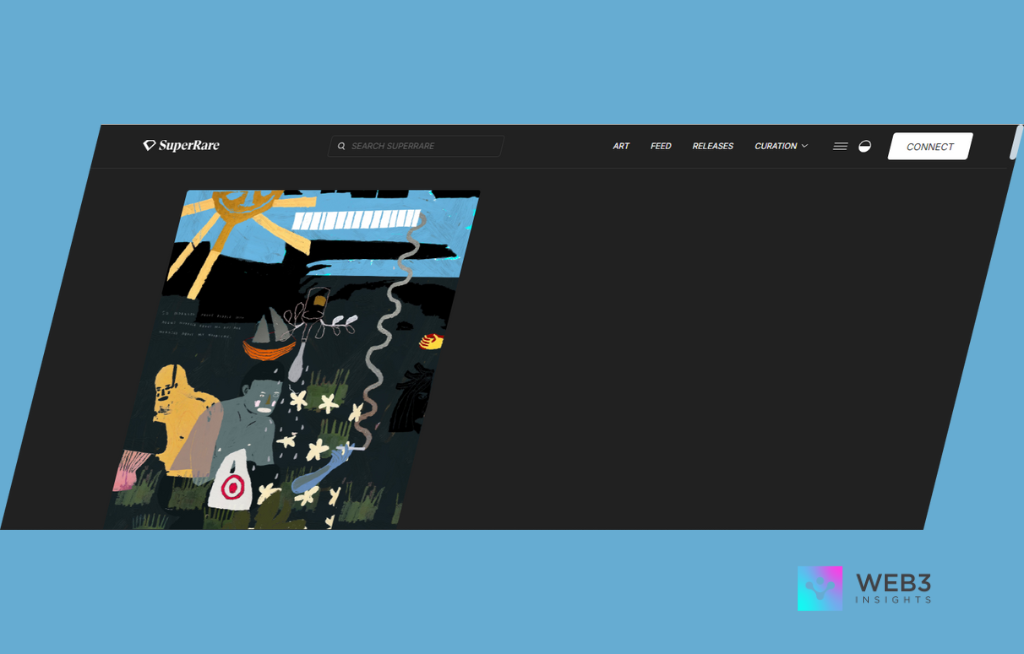
SuperRare is building a marketplace for digital creators, featuring NFTs such as art, videos, and 3D images. All purchases are made using Ethereum. Recently, SuperRare launched its own Ethereum-based token, which allows users to find and curate new talent on the platform. Like Rarible, SuperRare’s NFTs can also be bought or sold on OpenSea.
SuperRare is known for its high-quality CryptoArt and music NFTs, offering top-notch, curated artwork for collectors. However, getting accepted as a creator can be challenging. Artists need an exceptional portfolio and a strong social media presence. If accepted, their work gains greater visibility compared to general marketplaces like OpenSea.
10. Binance NFT
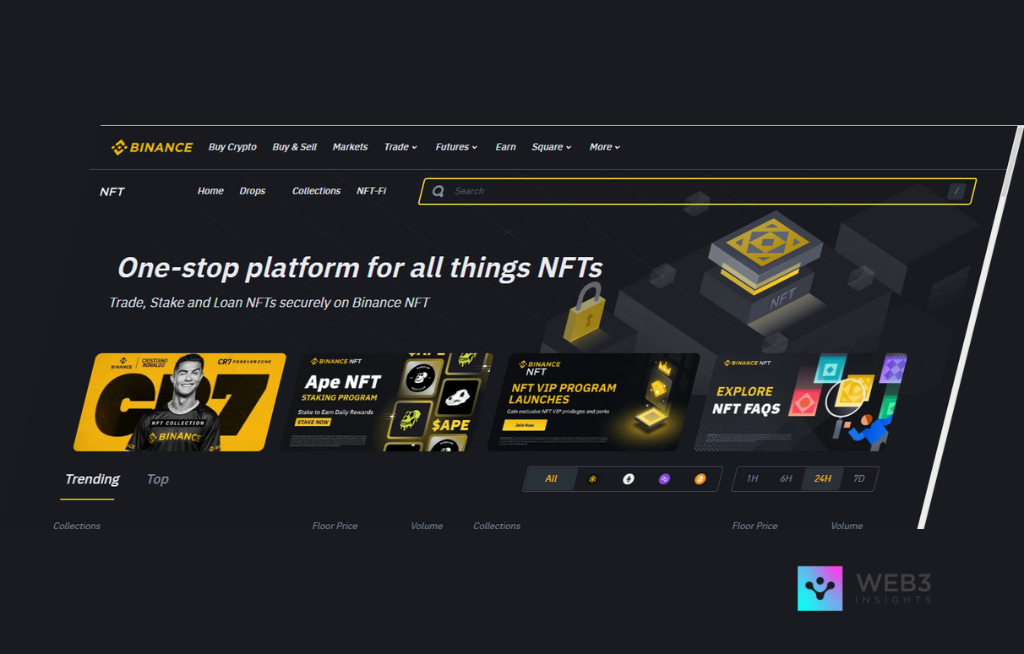
Binance NFT is a prominent player in the NFT marketplace, offering a wide range of digital products such as artwork, gaming items, and collectibles. If you’re wondering, “What’s the best marketplace to sell art?” Binance NFT is a top choice.
What sets Binance NFT apart is its user-friendly interface and low fees, charging only 1% per trade. As a leading name in the crypto industry with its own blockchain, Binance enjoys a strong position in the NFT space, giving it a competitive edge.
Conclusion
The top 10 NFT marketplaces provide various platforms where users can buy, sell, or trade NFTs, each offering distinct features, and rules, and catering to specific niches. It’s essential to explore and compare these options to find the one that best fits your needs.
By learning about the unique features and purposes of each marketplace, you can make informed decisions on how to effectively trade digital assets. Take time to research and choose the platform that aligns with your goals.